Is Private Labelling Supplements Worth It? Supliful Pricing & Setup Breakdown
 Tomas Kauer - Senior News Editor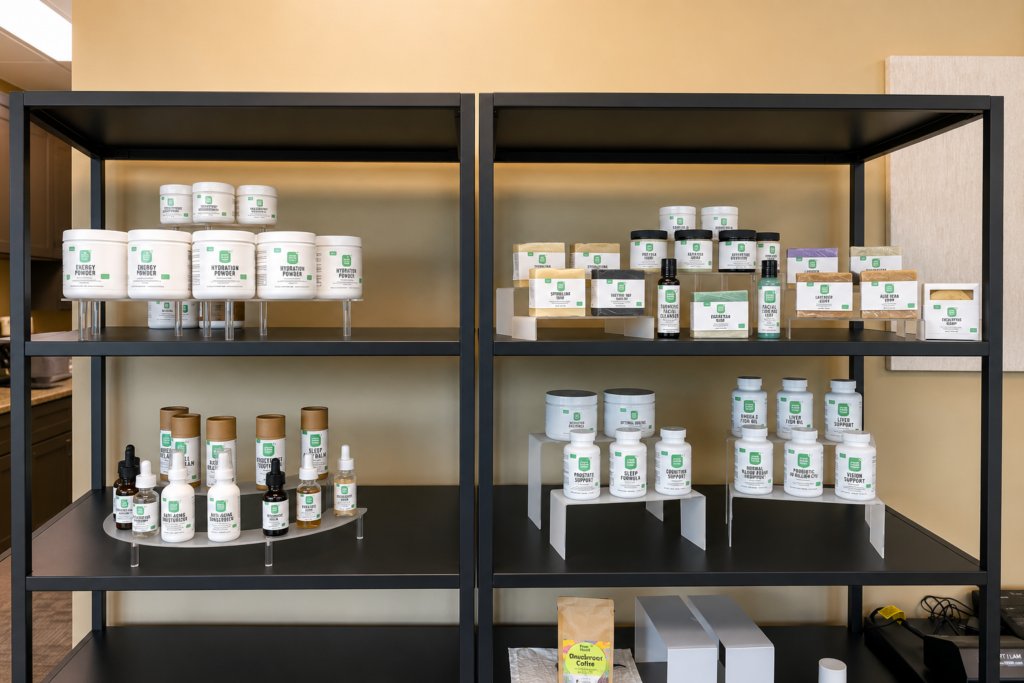
Private labelling supplements can look attractive on paper: create a brand, choose products from an existing catalog, sell them through your own store, and avoid buying large quantities of inventory upfront.
The harder question is whether the economics hold after product costs, fulfilment, shipping, payment processing, customer acquisition, and the other costs of running an ecommerce business.
That is where Supliful enters the picture. The company was built around an on-demand model designed to remove much of the inventory and manufacturing friction associated with launching a branded supplement line. But convenience comes with its own cost structure. Understanding that trade-off is more useful than simply asking whether Supliful is “cheap.”
What Is Supliful, and Why Was It Built?
Supliful was founded in October 2021 after the founders had already built and sold another ecommerce company, Grafomap. According to Supliful, Grafomap eventually reached $1.5 million in revenue before being sold to a buyer in the printing industry. The founders then wanted to build a supplement brand and encountered a familiar problem: unlike print-on-demand, there was no comparable on-demand infrastructure for branded wellness products.
That became the starting point for Supliful.
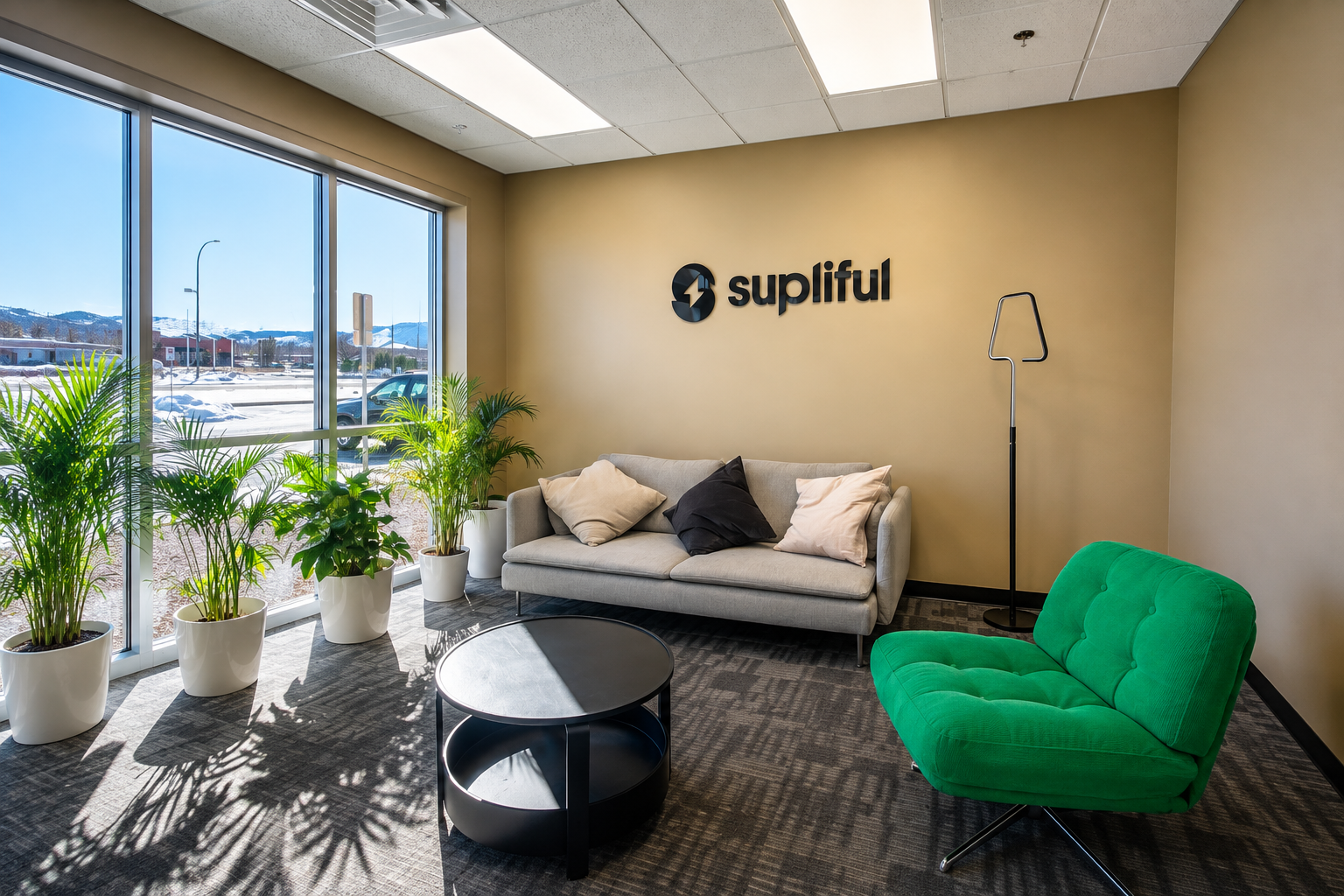
The company’s model is straightforward: provide the product, manufacturing, branding and fulfilment infrastructure while the merchant owns the customer-facing brand and sales channel. In 2022, Supliful says it closed a $2 million seed round and had launched more than 500 creator brands.
The distinction matters. Supliful is not primarily selling access to an audience. It is selling infrastructure that makes a physical product business easier to operate.
How Does Supliful’s Private-Label Model Work?
The workflow is closer to product infrastructure than conventional supplement manufacturing.
First, you choose a product from Supliful’s catalog. The company currently advertises more than 200 products across areas such as supplements, vitamins, protein, collagen, gummies and functional wellness.
Next, you create the branded version. That means applying your logo, packaging and label to an existing product rather than developing every formulation from scratch.
Then you connect the sales channel. Supliful currently supports Shopify and ClickFunnels stores and also provides an Amazon-related fulfilment path for eligible plans and use cases.
When a customer places an order, Supliful handles the physical side. Its current payment flow charges the merchant for the product, fulfilment, processing where applicable, and shipping, while the merchant keeps the difference between the retail price and those costs.
The division is therefore simple:
You build the brand and generate demand. Supliful manages the physical fulfilment layer.
Supliful Pricing: What Are You Actually Paying For?
This is where a Supliful review needs more detail than a headline subscription price.
As of August 2026, Supliful’s current pricing page lists a Free plan at $0 per month and a Pro plan at $69 per month, or $39 per month with annual billing. The Free plan allows merchants to explore, build and publish products, while Pro adds automatic order fulfilment, multiple stores, multi-angle mockups, live chat, bulk orders and access to on-demand product pricing tiers.
Enterprise is custom-priced and provides access to better pricing tiers and additional capabilities.
But membership is only one part of Supliful’s cost.
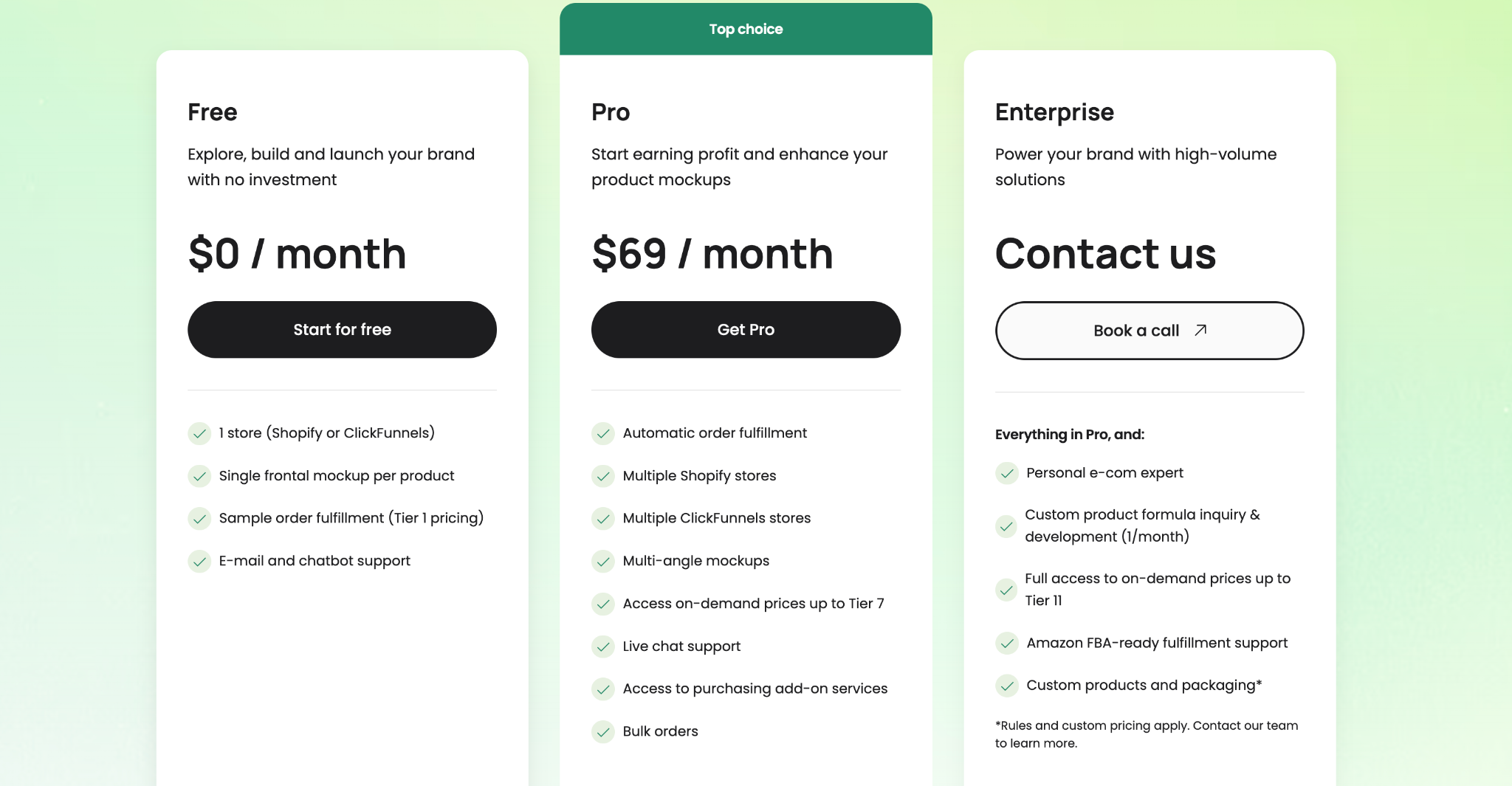
Since March 2026, Supliful has used SKU-based pricing tiers. The price of a product depends on both your membership plan and your order volume for that specific SKU during the previous 30 days. Higher volume can unlock lower product pricing, while higher-tier memberships provide access to more pricing tiers.
There is also a separate cost breakdown:
Product cost + fulfilment fee + processing fee where applicable + shipping
Shipping is not included in the fulfilment fee. Supliful says shipping is calculated separately based on destination and shipping method.
That means comparing only the subscription fee is the wrong way to evaluate private label supplements cost.
Is Private Labelling Supplements Profitable?
The economics are easier to understand with a hypothetical example.
Unit economics Illustrative example Retail price $39 Product + fulfillment $15 Payment processing $1.50 Contribution before CAC $22.50 CAC $12 Contribution after CAC $10.50
These numbers are illustrative and are not a representation of Supliful’s guaranteed margins or current product pricing.
The important calculation is:
Contribution per order = Selling price − Product cost − Fulfillment/shipping − Payment fees − Other variable costs
Customer acquisition can change the equation quickly. A $39 product with a $12 CAC has a very different business profile from the same product with a $25 CAC.
The other variables are equally important: conversion rate, average order value, refund rate and repeat purchase rate. Supplements can have an advantage here because some products are naturally replenishment-driven. A customer who reorders several times can generate considerably more lifetime contribution than the first transaction suggests.
The opposite is also true.
Private labelling does not create margin. It changes how much capital and operational risk you take before testing whether the margin exists.
What Are You Actually Getting With Supliful?
The practical value of Supliful is the infrastructure surrounding the product.
That includes private-label product selection, label customisation, product mockups, ecommerce integrations, order processing, fulfilment and shipping. Supliful also operates U.S. fulfilment infrastructure and says its service is designed to remove inventory risk and supplier complexity.
There is an additional detail worth understanding: the company separates fulfilment from shipping. For example, its current fulfilment fee is $1.99 for the first unit of each unique user-created product in an order and $1.29 for additional units of the same product in that order. Shipping is then calculated separately.
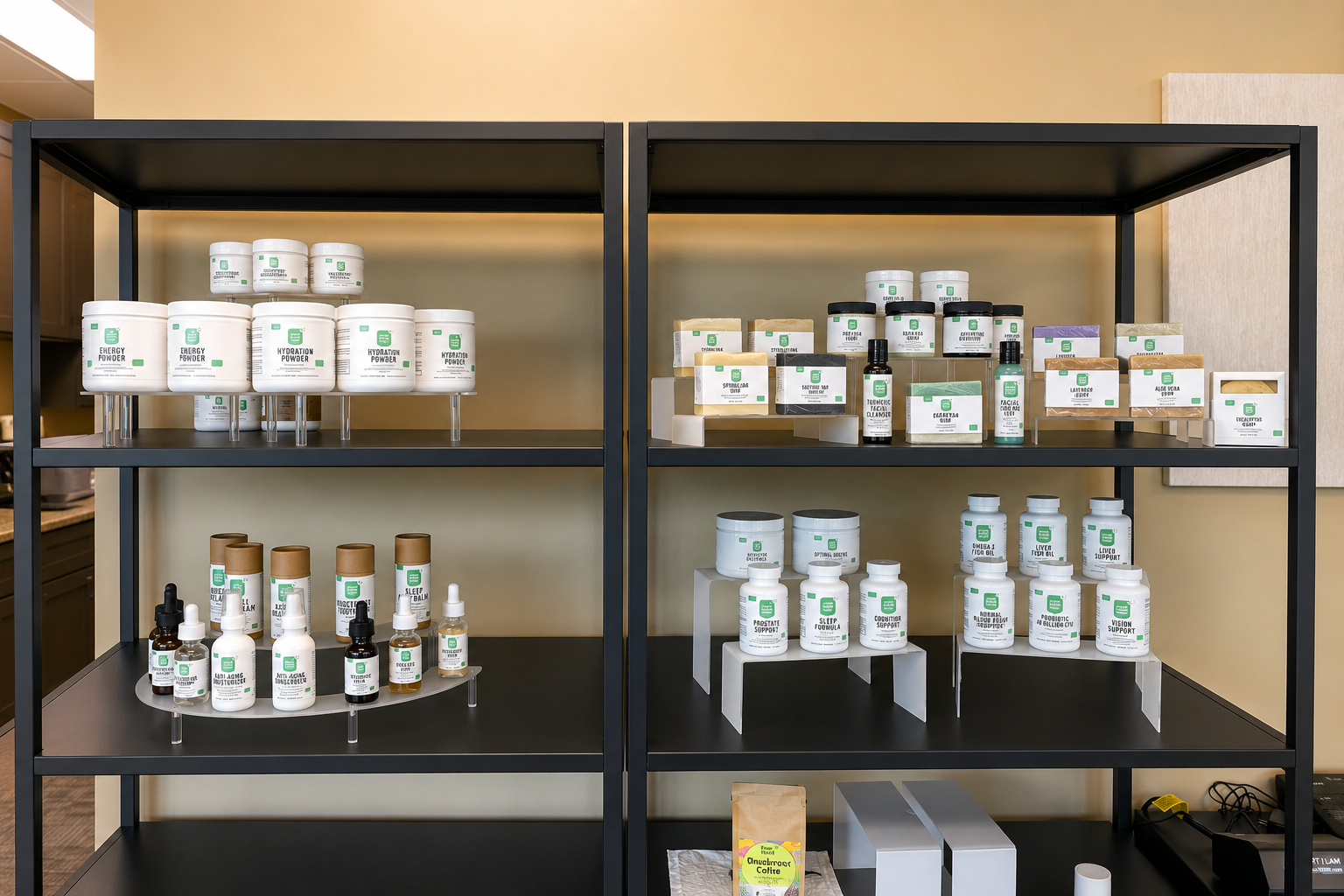
For U.S. domestic shipments, Supliful currently lists USPS Ground Advantage at 2-4 business days and Priority at 1-3 business days, with standard rates varying by package weight.
That level of cost separation is useful when building a real contribution-margin model.
What Do Supliful Customers Say?
Supliful’s Trustpilot profile currently shows a 4.2/5 TrustScore from 443 reviews, with 76% of reviews rated five stars. Trustpilot also notes that the company has replied to 100% of negative reviews.
Looking only at the positive reviews, several themes appear repeatedly.
Support is one of the most frequently praised areas. A recent five-star reviewer described the customer service as responsive and highlighted quick responses when getting started. Another reviewer specifically praised technical support while connecting and setting up a Shopify store.
Ease of use is another recurring theme. Reviewers describe the platform as straightforward to navigate and say products can be added to a store quickly.
Product presentation also receives positive comments. Reviewers have highlighted product quality, packaging, labels and the simplicity of operating without holding inventory.
These are customer opinions, not independent performance tests, but they align with the core proposition Supliful is selling: fewer operational steps between choosing a product and putting a branded product in front of a customer.
Setting Up Your First Product With Supliful
The setup itself is relatively straightforward.
1. Choose the product
Start with the audience and positioning rather than the largest possible catalog. The best SKU is the one that fits an identifiable customer and has viable economics.
2. Build the label
Create the branded version of the product and make sure the label meets Supliful’s requirements before fulfilment.
3. Order a sample
A digital mockup cannot tell you how the bottle, packaging and finished label will look in a customer’s hands.
4. Set the retail price
Use the actual product cost, fulfilment fee, shipping, payment processing and expected CAC to determine your contribution – not simply the prices charged by competitors.
5. Connect the store and launch
Once the product is ready, connect the supported ecommerce channel and begin testing the offer.
The objective is not to build a huge catalog immediately. It is to identify whether one product can acquire and retain customers profitably.
What Are the Advantages of Private Labelling With Supliful?
The strongest advantages are structural rather than promotional.
Capital efficiency: You can operate without committing significant cash to inventory before demand is proven.
Flexibility: A zero-MOQ/on-demand model makes product testing easier than a traditional production run. Supliful’s current pricing system is designed around on-demand orders as well as bulk purchasing.
Operational simplicity: Manufacturing, picking, packing and fulfilment sit behind the ecommerce storefront.
Brand ownership: Customers buy from your brand rather than simply interacting with a generic supplier.
For an existing ecommerce operator, that combination can make private labelling a practical way to expand into supplements without immediately building a supply chain.
Where Private Labelling May Not Be the Best Option
The same model has a clear limitation: on-demand flexibility does not necessarily produce the lowest possible unit cost.
Once a product has predictable volume, traditional manufacturing can become economically attractive because larger production runs can reduce per-unit costs and provide more control over formulations and production specifications.
Supliful’s own pricing documentation makes this trade-off visible. Its current system rewards higher SKU volume with better pricing tiers, while bulk orders are available for larger inventory commitments.
Traditional manufacturing may therefore be the better fit when:
- You already have substantial, predictable demand.
- The lowest possible unit cost is the priority.
- A proprietary formulation is central to the product.
- You have the capital and operational capacity to manage inventory.
Private labelling is strongest when flexibility and capital efficiency matter more than maximum manufacturing control.
So, Is Private Labelling Supplements Worth It?
For the right business, yes.
Private labelling supplements is particularly compelling when you already have an audience, distribution channel, ecommerce operation or acquisition strategy and want to test a branded product without taking on a large inventory position.
Supliful makes that model more accessible by combining a ready-made product catalog with branding, fulfilment, and ecommerce infrastructure.
But economics still has to work.
If your selling price cannot support product costs, fulfillment, shipping, payment processing, and CAC, a no-MOQ model will not fix the problem. Conversely, if you can acquire customers efficiently and generate repeat purchases, avoiding a large upfront inventory commitment can materially improve the risk profile of a new product line.
The real question is therefore not whether private labelling is profitable by default.
It is whether the flexibility and lower capital commitment are worth the trade-off in your particular unit economics.
FAQ
How much does Supliful cost?
Supliful currently offers a Free plan, a Pro plan at $69/month or $39/month with annual billing, and a custom Enterprise plan. Product, fulfillment, processing where applicable, and shipping costs are additional.
Does Supliful have a minimum order?
Supliful’s private-label model is designed around on-demand ordering rather than mandatory inventory purchases. The company also supports bulk orders starting at 100 units when a merchant wants to stock inventory.
Can I sell Supliful products under my own brand?
Yes. Private labelling is central to the platform: merchants select products, create branded labels and sell the finished product through their own ecommerce channels.
Is Supliful profitable?
Supliful can support a profitable product model, but the platform itself does not determine profitability. Retail price, product cost, fulfilment, shipping, CAC, conversion and repeat purchases determine the economics.
The post Is Private Labelling Supplements Worth It? Supliful Pricing & Setup Breakdown appeared first on Entrepreneurship Life.