From Munich to Prague: Enrique Paredes on the Future of International Education
 Giulliano Russelli
FAST FACTS
Enrique Paredes
- Marketing & Enrollment Manager, AAU
- MBA – International Marketing
- 4 countries / 2 continents
- International marketing + Customer Experience + Digital transformation
At AAU:
- 56.8% increase in lead-to-enrollment conversion
- 26% reduction in acquisition costs
- 53.1% increase in local enrollment
- AAU #1 University in Europe based on student reviews
From Corporate Munich to Academic Prague
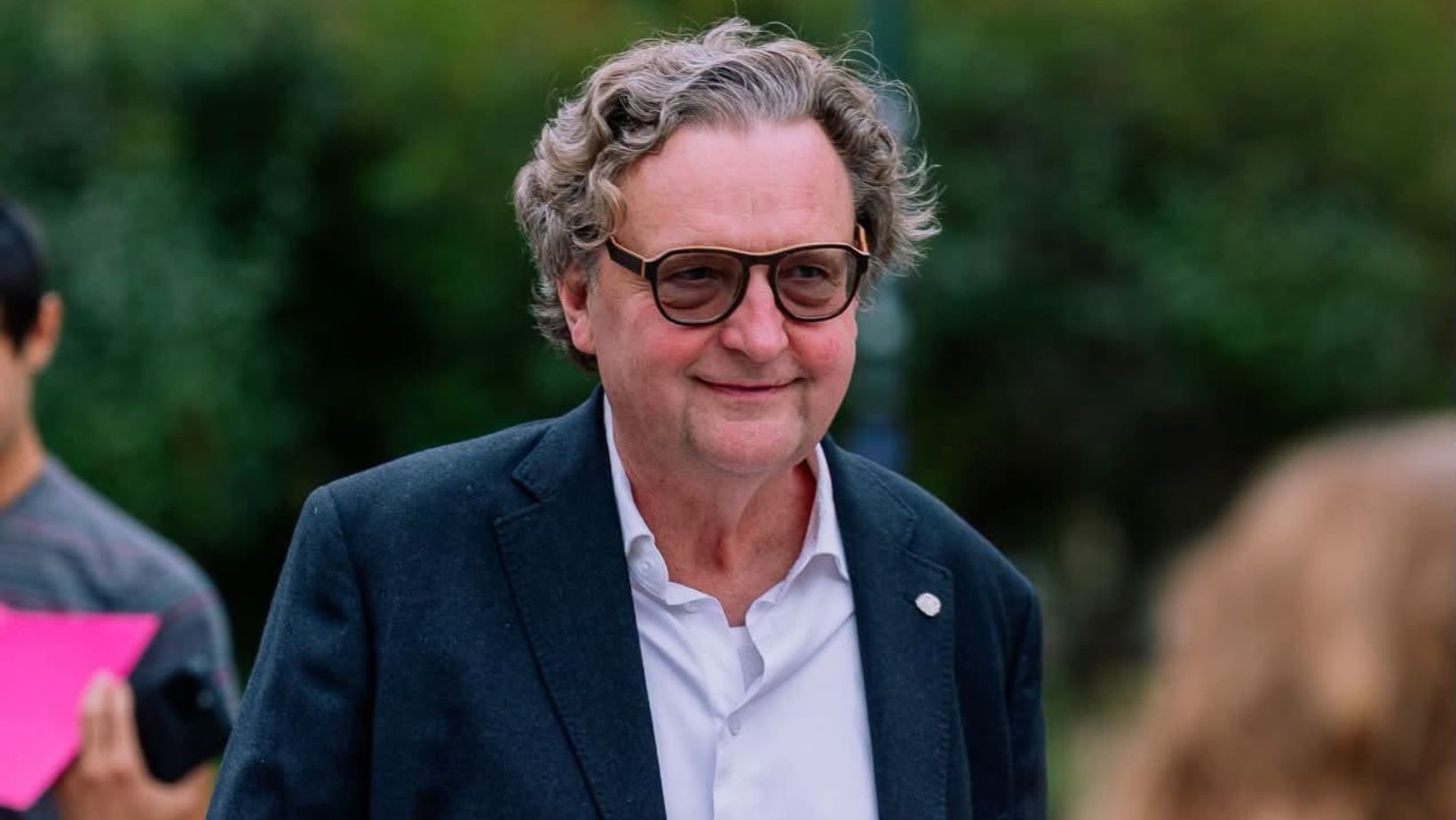
After building a career in international marketing, customer experience, digital transformation and commercial strategy across the US, Europe and Latin America, Enrique Paredes now leads marketing and enrollment strategy at Anglo-American University in Prague.
Having lived in four countries across two continents, Paredes believes Prague has become one of Europe’s most attractive destinations for international students, not only because of its affordability, but also because of the academic, professional, and personal opportunities the city offers.
His journey into higher education was not originally planned. Originally from El Salvador, he completed his MBA in Munich with a specialization in International Marketing, an experience that gave him firsthand insight into the challenges and opportunities international students face when building their lives abroad.
After graduating, an opportunity with a major international company brought him to Prague, where he has now lived for almost eight years. He describes the move as both a significant career opportunity and a step in the direction he wanted his professional life to take.
Moving from the corporate world into higher education required a shift in mindset, but not in ambition.
“One thing that’s driven me throughout my career is ambition, purpose, and above all, determination to achieve. That’s what has kept me motivated to reach where I am today.”
Prior to entering higher education, Paredes held international marketing, project management, and customer experience leadership roles at Anheuser-Busch InBev, where he led digital initiatives across Europe. Earlier in his career, he worked on enterprise solutions at SAP and contributed to market insights and research projects for Volkswagen Group (VAG) in Germany.
That corporate background continues to influence how Paredes approaches higher education. He views recruitment not simply as marketing, but as a combination of customer experience, data, commercial strategy and long-term relationship building.
From Marketing to Enrollment Leadership
Although his title is Marketing & Enrollment Manager, Paredes’ responsibilities extend well beyond marketing and student recruitment. His role covers marketing strategy, recruitment and enrollment initiatives, decision making that shapes the organization, as well as projects that influence the broader prospective and student journey.
For him, supporting students starts long before they arrive in Prague.
“These are young people who are stepping away from home, often for the first time, to become independent. We understand how challenging that can be, and we try to support them in every way we can.”
Since joining AAU, Paredes has helped transform marketing and student recruitment into a more data-driven, commercially focused operation, redesigning elements of the recruitment funnel, digital acquisition strategy, CRM processes and cross-departmental collaboration. That shift has translated into measurable results, including a 56.8% increase in lead-to-enrollment conversion, a 26% reduction in acquisition costs, and a 53.1% increase in local enrollment, among other results.
His philosophy is simple: attracting students is only the beginning. The goal is to ensure they have a smooth transition academically, professionally, and personally, while creating an experience that stays with them long after graduation.

Recruitment Is About Fit, Not Just Volume
For Paredes, effective recruitment is not simply about generating as many leads as possible. It is about understanding what prospective students actually want and determining whether the institution can genuinely meet those expectations.
“The goal isn’t to convince everyone. It’s to understand the student, understand what they need and show them honestly whether we are the right fit. If we’re not, we should be transparent about that and focus our efforts on students where we can create real value.”
The Case for a Dual-Accredited Degree
One of the strongest advantages Paredes sees at AAU is its dual accreditation.
The university holds both US and Czech accreditation, giving students the opportunity to earn a degree recognized internationally while studying in Prague, one of Europe’s most affordable major capitals.
For students comparing the cost and experience of studying in the United States with studying in Europe, Paredes believes the model offers significant value.
AAU’s US accreditation comes through the same institutional accreditor used by universities including Stanford and UC Berkeley. This allows students to pursue an internationally recognized US-accredited education while benefiting from the lower cost of living associated with studying in Prague.
For Paredes, the dual accreditation also provides students with flexibility as they consider where they want their careers to develop.
Students who are unsure whether their future lies in Europe or the US can use their university years to explore different opportunities before making that decision.
As he puts it, students have “another three years to discover where you want your career to take you.”

Small Classes, Real-World Learning
Paredes believes universities should prepare students for the workplace, not simply help them pass exams.
He contrasts AAU’s approach with traditional university environments, where lecture halls can contain hundreds of students and learning may focus heavily on taking notes, memorizing information, and preparing for exams.
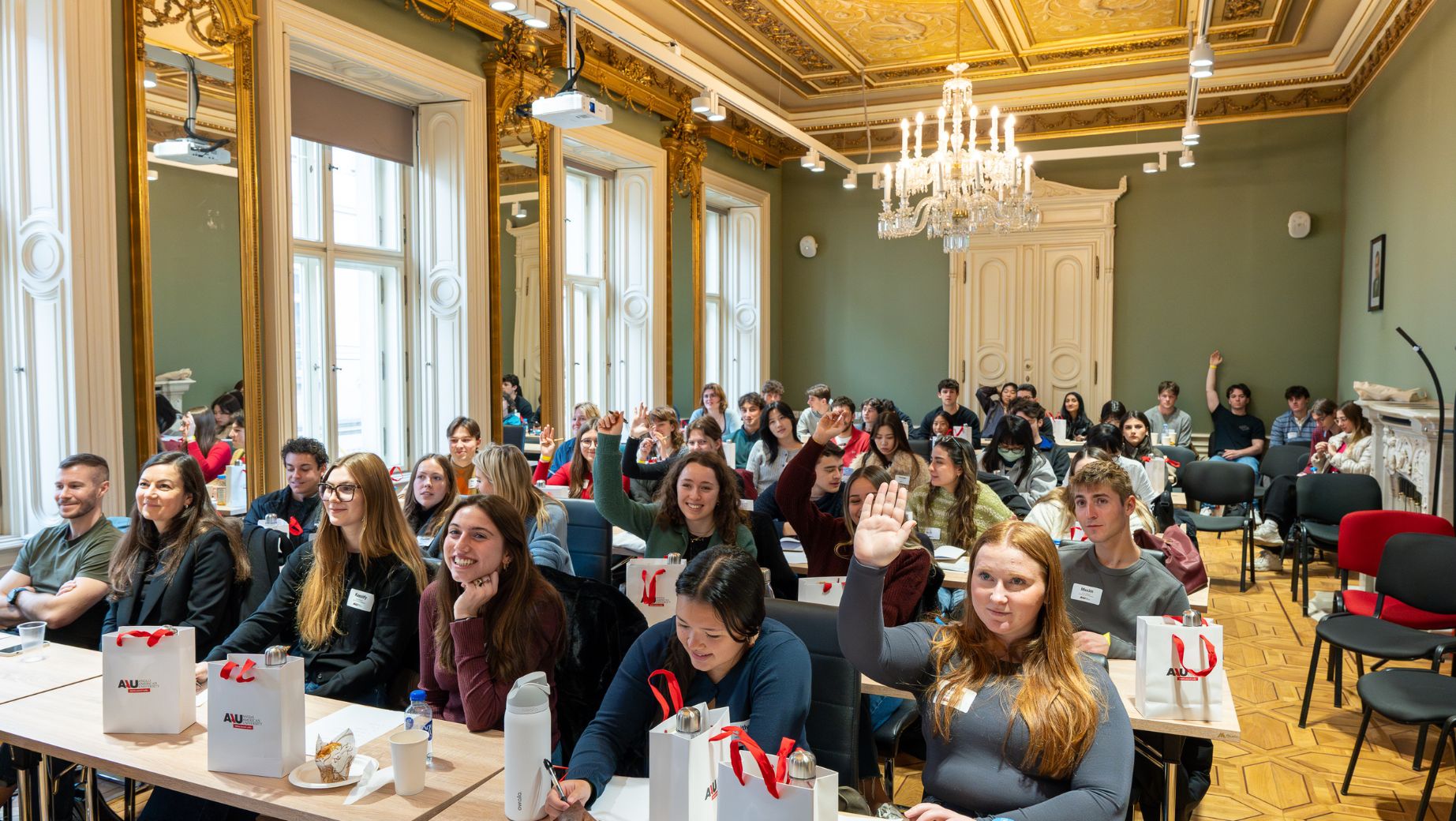
At AAU, classes average between 17 and 20 students, allowing for more direct interaction with professors, many of whom bring professional experience from industry.
Learning is centered on discussion, collaboration, and solving practical problems, including challenges sometimes presented by real companies, rather than relying solely on theoretical knowledge.
“That’s what students will encounter outside university. We want them to graduate already understanding how to solve real-world challenges.”
Paredes also points to the importance of practical experience. Every AAU student completes an internship before graduation, giving them an opportunity to gain professional experience while still studying.
A More Diverse Student Community
AAU’s recruitment strategy has also evolved in recent years.
According to Paredes, the university has intentionally expanded its visibility across multiple markets, helping create a more balanced student population between Czech and international students while welcoming students from more than 80 countries.
He sees this diversity as one of the university’s greatest strengths.
“When students work every day with classmates from different cultures and perspectives, they naturally develop communication skills, adaptability, and a global mindset that employers increasingly value.”
For Paredes, international education is therefore not only about what students learn in the classroom. The people they meet and the environments in which they study can also shape how they approach their future careers.
AI Is an Intern, Not a Replacement
Asked how universities should respond to the rapid development of artificial intelligence, Paredes offers a simple analogy.
“I personally treat it as an intern. I wouldn’t give a task to AI that I would not give an intern. It’s help. It’s not a solution.”
Rather than resisting AI, he believes universities should teach students how to use the technology effectively while strengthening the skills that remain uniquely human, among them:
- Critical thinking
- Leadership
- Communication
- Creativity
- Ethical decision-making
“You can use AI to support research or analyze data, but when it comes to making important decisions, that responsibility should always remain human.”
For Paredes, the challenge for universities is therefore not simply deciding whether students should use AI, but teaching them how to use it responsibly and critically.
Why Prague?
Having lived in four countries, Paredes believes Prague offers a combination that is difficult to find elsewhere. He highlights the city’s safety, affordability, history, international atmosphere, and quality of life.
One everyday moment particularly stood out to him after moving to Prague: seeing children walking home safely at night.
“It’s something I don’t take for granted because it’s not something I’ve experienced in every country I’ve lived in.”
For international students, he believes these everyday realities matter just as much as the academic experience. Studying abroad means building a life in a new city, and factors such as safety, affordability, transport, culture, and opportunities outside the classroom can all influence that experience.
Advice to Future International Students
For students considering studying abroad, Paredes encourages them to think beyond earning a diploma.
International education, he says, is ultimately about personal growth and the experiences that come from stepping into an unfamiliar environment.
“Everything good in life happens outside your comfort zone.”
He points to his own international experiences, including building a business with a friend in Switzerland, as examples of how studying and working abroad can create opportunities that extend far beyond graduation.
For him, choosing where to study is therefore also a decision about the environment in which students will develop personally and professionally.
Final Quote
Asked to summarize what AAU represents in one sentence, Paredes offers a final thought:
“Choosing a university isn’t only about where you’ll study for the next three years. It’s about where you’ll build the skills, network, and experiences that shape the next thirty.”
Promote your business to thousands of expats in Prague Find out how.
The post From Munich to Prague: Enrique Paredes on the Future of International Education appeared first on Prague Morning.