The Solopreneur’s Guide to Digital Leisure: The Role of Social Gaming in a Balanced Routine
 Tomas Kauer - International News Writer and Moderator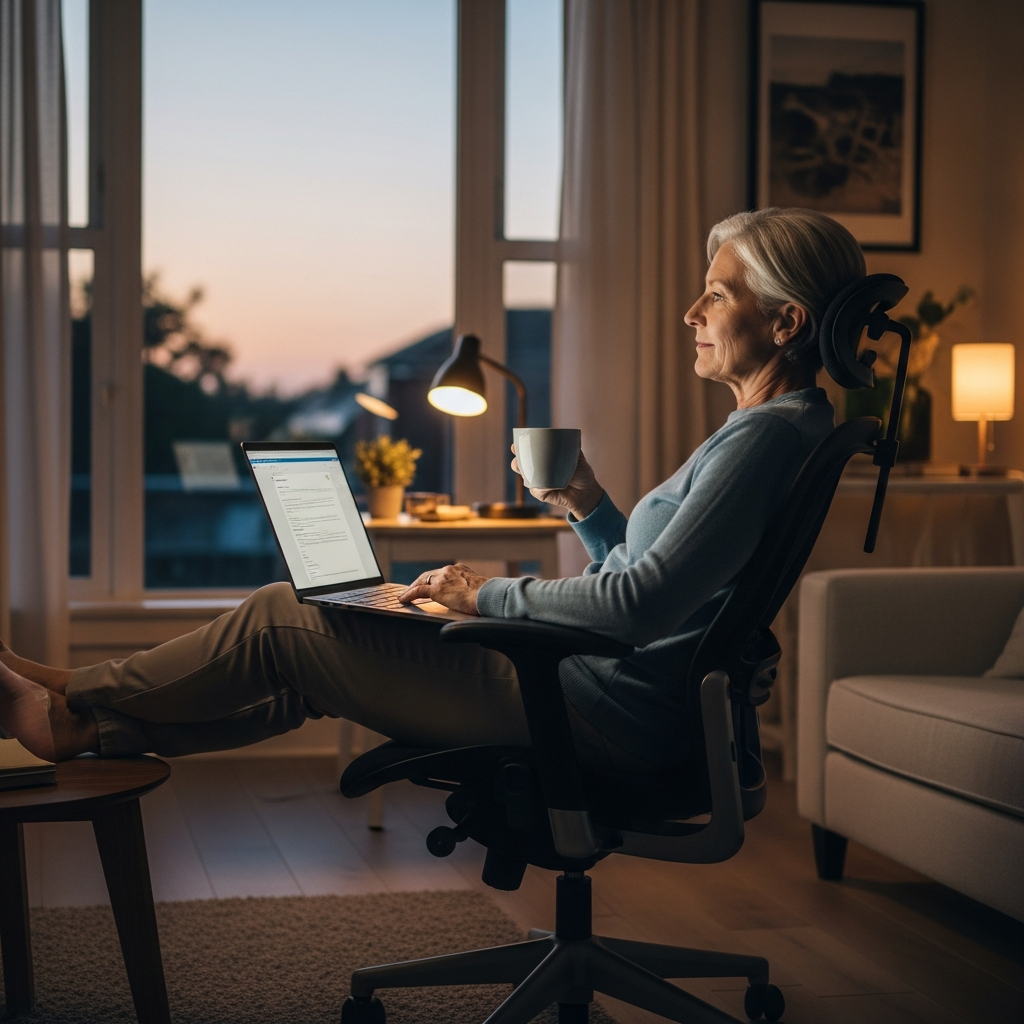
If you’ve ever found yourself staring at a spreadsheet at half-past ten on a Tuesday night, wondering if you actually remember how to hold a conversation with a human being who isn’t a client, you aren’t alone. For those of us running the show by ourselves, the boundary between “work” and “life” doesn’t just get blurred; it often disappears entirely. We’re the CEO, the marketing department, the IT support, and the person who has to remember to buy more oat milk for the office kitchen.
This constant juggling act is exactly why burnout isn’t just a risk for solopreneurs—it’s often an uninvited houseguest that refuses to leave. We’re told to practice self-care, which usually involves a list of things that feel like even more work, like waking up at 5 am to do yoga or spending an hour meditating when your inbox is screaming for attention.
Lately, I’ve found that the real secret to staying sane isn’t necessarily more “discipline” in the traditional sense. It’s about finding small, joyful ways to switch off your professional brain and reconnect with the world. Believe it or not, something as simple as low-stakes social gaming can be the perfect antidote to the high-pressure world of working for yourself.
The Mental Load: Why Solopreneurs Face Higher Burnout Risks
When you work in a traditional office, there are natural cues that tell your brain when to stop. The lights go out, people start putting their coats on, or someone asks if you’re heading to the pub. As a solopreneur, those cues are gone. Your office is your living room, your laptop is always within reach, and your phone is a constant tether to every “urgent” notification.
The mental load we carry is immense. It isn’t just the tasks themselves; it’s the decision fatigue. Every single choice, from the font on a proposal to the pricing of a new service, rests solely on your shoulders. According to research on occupational burnout, this lack of control and social support are two of the biggest drivers of chronic stress.
I’ve spent many weekends feeling “guilty” for not working, which means I’m not actually resting. I’m just sitting on the sofa thinking about work while pretending to watch telly. That isn’t a break; it’s just working without the productivity. To truly recover, we need to find activities that occupy the mind enough to stop it from drifting back to our to-do lists, but without adding any extra stress.
The Science of Micro-Leisure: How Short Breaks Fuel Long-Term Productivity
We’ve all heard of the Pomodoro Technique, where you work for twenty-five minutes and break for five. It’s a solid start, but what you do in those five minutes matters. Scrolling through LinkedIn or checking the news doesn’t count as a break; it’s just more information being shoved into an already crowded brain.
This is where the concept of “micro-leisure” comes in. These are short, intentional bursts of play or relaxation that help reset your cognitive function. Studies suggest that even very brief diversions from a task can dramatically improve one’s ability to focus on that task for prolonged periods. Think of it like a palate cleanser between courses at a fancy dinner.
I’ve found that the best micro-leisure activities are those that are “low-stakes.” You don’t want to play a game that makes you feel frustrated or angry if you lose. You want something that provides a gentle rhythm and a bit of lighthearted fun. It gives your “executive function” (the part of your brain that handles all those big business decisions) a chance to go offline for a bit while your “play” brain takes over.
Digital Wellness Strategies: Beyond Traditional Meditation and Exercise
Don’t get me wrong, I love a good walk and I’ll never turn down a bit of fresh air. But sometimes, when you’ve been working in isolation all day, the last thing you want to do is go for a silent walk by yourself. Sometimes, wellness looks like connection.
Traditional digital wellness advice often tells us to “unplug” completely. While that’s great in theory, it isn’t always practical when your entire business lives online. Instead of fighting the digital world, we can learn to use it more healthily. This means finding online spaces that aren’t about “networking” or “personal branding.”
We need “third places”—social environments that aren’t home and aren’t work. In the physical world, these are cafes, libraries, or community centres. In the digital world, they’re spaces where you can interact with others without any professional agenda. It’s about prioritising your mental health by allowing yourself to be a person, not just a brand.
Recreational Social Spaces: Using Online Bingo Communities as a Cognitive Reset
One of the biggest things solopreneurs miss out on is the “watercooler effect.” You know, those ten-minute chats about nothing in particular that happen when you’re making a cup of tea in a shared kitchen. Those moments are vital for human connection and for breaking up the monotony of the day.
When you’re working from a home office in the suburbs, you have to find your own watercooler. This is where social gaming shines. For many, a quick session of bingo has become a surprisingly effective way to replicate that social atmosphere. It’s a low-stakes environment where the primary focus is on the community and the shared experience of the game.
What makes this work for a busy professional is that it’s social-first. You can pop into a chat room, have a bit of a natter with people who have absolutely no connection to your industry, and enjoy a game that doesn’t require any complex strategy or high-pressure decision-making. It’s a brilliant way to disconnect from business stress because it occupies that middle ground—it’s engaging enough to stop you thinking about your tax return, but relaxed enough that it doesn’t feel like another “task” on your list.
It’s important, of course, to keep things balanced. These spaces should be used as a way to unwind and enjoy a bit of lighthearted fun. When you treat these moments as a deliberate break in your day, they become a tool for wellness rather than just another distraction.
Making Time for Leisure: Finding the Right Balance for Your Routine
If you don’t schedule your breaks, they won’t happen. As solopreneurs, we’re experts at scheduling client calls and project deadlines, but we’re rubbish at scheduling our own downtime. Here is how I’ve started integrating these “soft gaming” sessions into my week to keep the burnout at bay:
- The Mid-Afternoon Slump: Usually around 3 pm, my brain turns to mush. Instead of forcing myself to write another email, I take twenty minutes for a social game. It’s a clear signal to my brain that the high-intensity part of the day is winding down.
- The Friday Afternoon Wind-Down: I’ve made it a rule that I stop “hard” work by 4 pm on a Friday. I’ll spend thirty minutes in a social gaming community just to transition out of “boss mode” before the weekend starts. It helps me leave the work stress at my desk.
- Use it as a Reward: Finished a particularly boring bit of admin? Treat yourself to ten minutes of a game. It creates a positive feedback loop that isn’t tied to caffeine or sugar.
- Set Boundaries: Always use a timer. The goal is a “micro-break,” not a three-hour marathon. Setting a clear start and end time keeps the experience refreshing rather than draining.
Finding Your Own Rhythm
At the end of the day, digital wellness isn’t a one-size-fits-all solution. What works for me might not work for you, but the principle remains the same: we all need a way to turn off the professional noise and just be human for a bit.
Being a solopreneur is a marathon, not a sprint. If you don’t take the time to stop at the water stations, you’re going to collapse before the finish line. Whether it’s a quick chat in an online community, a bit of low-stakes gaming, or just a proper lunch break away from your screen, give yourself permission to play. Your business will still be there when you get back, and you’ll likely find you’re much better equipped to handle it once you’ve had a bit of a laugh and a mental reset.
Please remember to play responsibly. Social gaming should be a fun, low-pressure way to spend your breaks. If you feel like your gaming habits are becoming a concern, there are many resources available to help you keep things in check.
The post The Solopreneur’s Guide to Digital Leisure: The Role of Social Gaming in a Balanced Routine appeared first on Entrepreneurship Life.