How To Know When It’s Time To Expand Your Fleet of Business Vehicles
 Tomas Kauer - Senior News Editor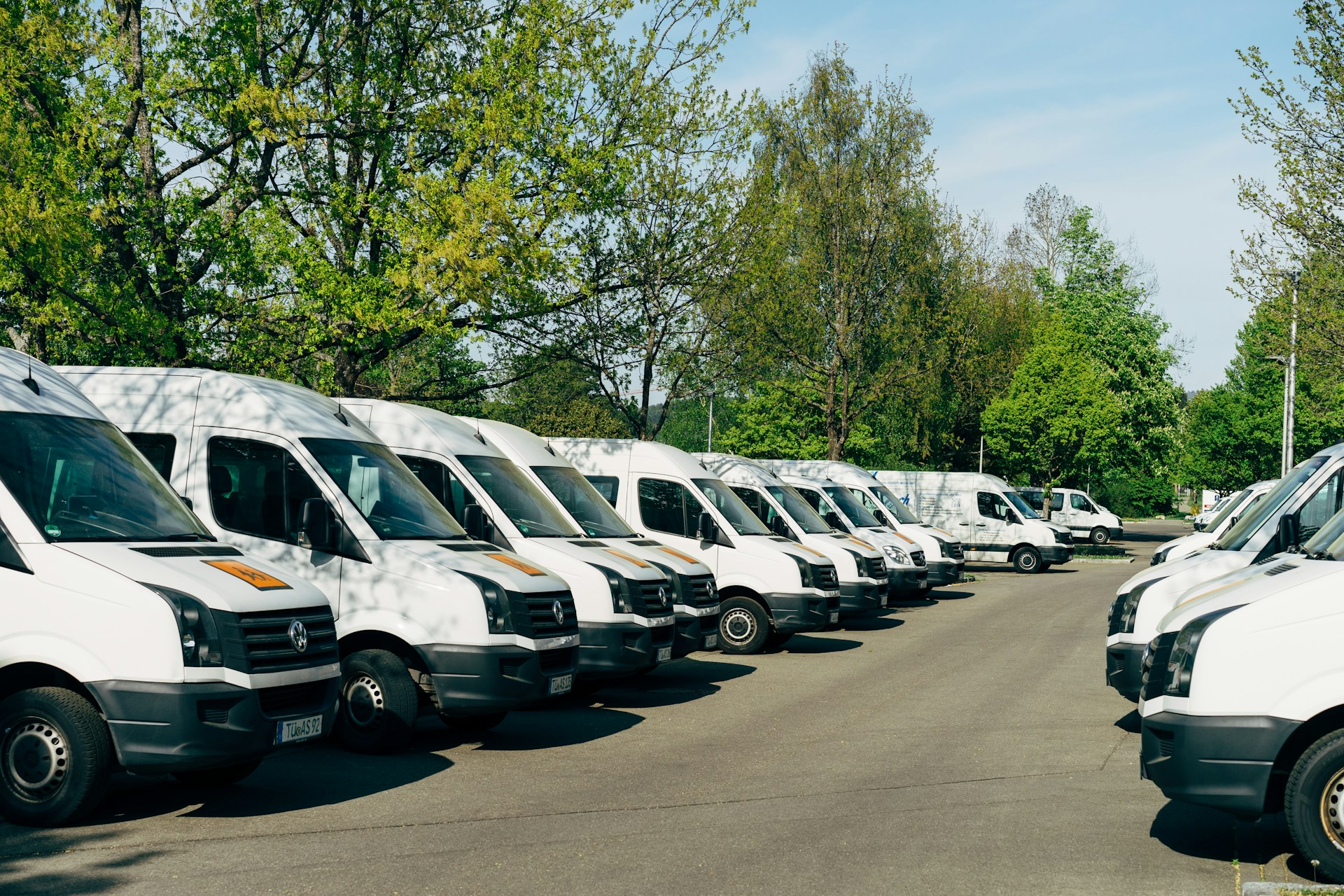
For many businesses, vehicles are much more than a way to get from point A to point B. They can be mobile workspaces, delivery tools, customer-facing assets, and an essential part of keeping daily operations running smoothly. As your company grows, however, the fleet that once met your needs perfectly may start to feel stretched.
Adding more vehicles is a significant investment, so how can you tell when the time is right? Here are some of the clearest signs that your business may be ready to expand its fleet.
Your Existing Vehicles Are Constantly in Use
One of the most obvious signs is simply that there aren’t enough vehicles to go around. If employees are regularly waiting for vans, trucks, or cars to become available, your existing fleet could be limiting productivity.
Scheduling can help to a certain extent, but there’s a point where trying to squeeze more jobs out of the same vehicles becomes inefficient. An additional vehicle could allow multiple teams to work simultaneously and make it easier to respond quickly to customers.
Your Business Is Covering a Larger Area
Growth often means expanding geographically. Perhaps you’re taking on customers in neighboring cities, opening another location, or sending employees farther afield.
Longer journeys put additional mileage and wear on your existing vehicles. Expanding the fleet can spread those miles more evenly while also ensuring vehicles are available in the locations where they’re needed most.
This can also be an opportunity to reconsider what types of vehicles make sense for your operation. Businesses interested in reducing fuel consumption or modernizing their fleet may want to explore electric models. For those looking into Ford electric vehicles Los Angeles, it’s a good idea to visit a specialist Ford electric vehicles in Los Angeles dealer to better understand the available options and how they could fit into day-to-day business use.
Maintenance Is Creating Too Much Downtime
Every business vehicle eventually needs maintenance and repairs. The problem comes when taking one vehicle off the road brings part of the business to a halt.
If maintenance appointments regularly create scheduling headaches, adding capacity could give your company more flexibility. You’ll be able to rotate vehicles without forcing employees to postpone jobs or deliveries.
You’re Turning Down Opportunities
A growing business doesn’t necessarily need more vehicles just because sales have increased. However, if a lack of transportation capacity is forcing you to turn down work, that’s a strong indication that expansion deserves consideration.
Calculate how much potential revenue is being lost because your existing fleet can’t handle additional jobs. Those numbers can help determine whether purchasing or leasing another vehicle makes financial sense.
Your Vehicles No Longer Suit the Work
Fleet expansion isn’t always about quantity. Your company may simply need different types of vehicles.
A small car that worked well when you started might no longer be practical if employees now transport tools or equipment. Likewise, expanding a delivery operation could create a need for larger vans or vehicles designed for more specialized tasks.
Think Beyond Today’s Needs
Expanding a business fleet should be based on more than temporary demand. Look at your growth plans, projected workload, operating costs, maintenance requirements, and staffing needs.
When vehicles begin creating bottlenecks instead of supporting growth, it’s usually time to reassess. With careful planning, expanding your fleet can give your team greater flexibility, improve customer service, and provide the practical capacity your business needs for its next stage.
The post How To Know When It’s Time To Expand Your Fleet of Business Vehicles appeared first on Entrepreneurship Life.