































Beyond the Playbook- Advanced Modeling Is Changing How NFL Teams Improve
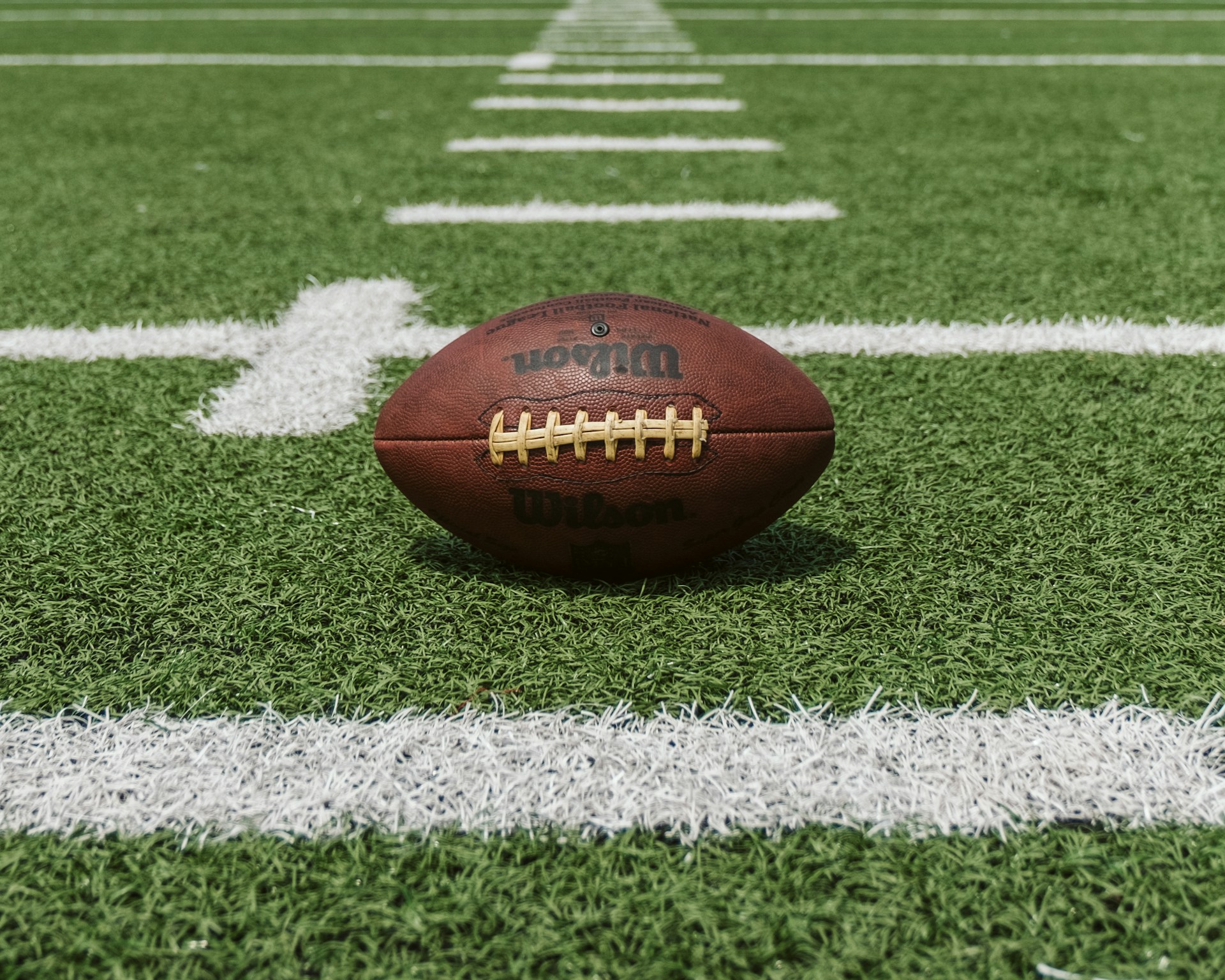
NFL teams have always chased small edges. A cleaner release off the line. A quicker read at the top of a route. A stronger finish in the fourth quarter. What’s different now is how those edges are found. Many teams are moving from instinct-led decisions to evidence-led ones, using advanced modeling to understand what actually drives performance.
This shift isn’t about replacing coaches. It’s about upgrading what coaches can see. Data can reveal patterns that film alone can hide. Modeling can help teams prioritize the changes that matter most. And when the margins are razor-thin, that clarity is valuable.
Below, we’ll look at how advanced modeling is changing improvement in the NFL—from practice planning to roster building—and what it means for players and coaches.
The New Playbook Isn’t Paper—It’s a Model
Traditional football preparation leans on film, scouting reports, and experience. Those tools still matter. But they tend to rely on human attention, and attention is limited. Coaches can only watch so many snaps. Scouts can only track so many traits. Even the best staff has blind spots.
Advanced models help close those gaps. They combine multiple data sources—tracking data, play-by-play, practice metrics, strength and conditioning outputs—and turn them into structured insights. The goal isn’t a flashy dashboard. The goal is better decisions.
Models can answer practical questions like:
- Which route concepts produce separation against specific coverages?
- Which offensive line combinations reduce pressure rates?
- How does a player’s workload relate to soft-tissue injury risk?
- Which opponent tendencies are stable, and which are noise?
Once a team can quantify these things, it can build improvement plans that are targeted. Not generic. Not guesswork.
From Film Study to Pattern Detection
Film is still the foundation. But modeling changes how film is used. Instead of watching everything equally, staff can use data to direct their attention to the most meaningful clips.
For example, a team might notice that a receiver’s separation drops sharply against press-man coverage when aligned outside, but stays strong from the slot. That’s a useful pattern. Film can then confirm why it’s happening—footwork, release timing, hand usage, or maybe route depth.
This approach flips the workflow. Data suggests the hypothesis. The film explains the cause. Coaching applies the fix.
It also helps cut through bias. It’s easy to remember a spectacular catch and overestimate a player’s consistency. It’s easy to blame a quarterback for an incompletion when pressure arrives in under two seconds. Modeling can provide context. It can separate performance from circumstance.
Practice Is Becoming More Intentional
Teams have limited practice time and limited player wear-and-tear capacity. That’s a real constraint. Advanced modeling helps teams spend those minutes and reps wisely.
One major trend is workload monitoring. Teams can track player movement, acceleration, deceleration, and total distance during practice. They can combine that with lifting loads, travel schedules, and recovery markers. Over time, patterns emerge.
Some players tolerate high volume well. Others spike risk when practice intensity rises too fast. Models can help identify safe ranges and early warning signs. That supports better planning.
It also improves skill development. Coaches can model which practice drills translate most directly to game outcomes. Not every drill has the same payoff. Some improve reaction time. Some improve their technique under fatigue. Others look good but don’t move the needle.
When a staff can link practice inputs to game outputs, practice becomes a tool for specific improvement rather than a routine.
Game Planning with Probabilities, Not Hunches
NFL game plans often include thousands of details. How you handle bunch formations. What you do on third-and-medium. How you adjust to motion. A lot of it is designed around tendencies and matchups.
Advanced modeling brings a probabilistic layer to that work. Instead of saying, “They like to run here,” you can estimate how often they do it and under what conditions. You can separate true tendencies from random variation.
It can also improve decision-making in high-leverage moments. Fourth-down choices. Two-point conversions. Clock management. These are areas where a few percentage points matter. Models can provide expected value estimates based on field position, time remaining, and roster strengths.
That doesn’t guarantee perfect outcomes. Football is messy. But it does raise the baseline. It also makes postgame reviews more honest, because decisions can be evaluated based on process rather than only results.
For a broader context on how advanced analysis is applied in football and beyond, Pro Football Focus is often referenced for its data-driven approach to evaluation.
Player Development Is Getting More Specific
Player development used to be described in broad terms: “improve route running,” “get stronger,” “play with better leverage.” Those goals are fine, but they are vague. Modeling pushes teams toward specifics.
Instead of “get better at route running,” a player might be coached to:
- reduce steps at the top of a curl route,
- improve stem speed on intermediate breaks,
- or change release timing versus inside shade.
The same is true for quarterbacks. “Read coverage faster” becomes measurable when you track time-to-throw, pocket movement patterns, and first-read conversion rates. When you can measure the problem, you can design a tighter solution.
This is also where sports medicine and performance staff become central. Teams want athletes who improve and stay available. It’s not glamorous. It’s critical.
In the middle of this shift, voices that translate performance concepts clearly can help fans and teams understand what’s changing. One example is Doc’s Sports expert Scott Rickenbach, who often frames performance trends in a practical, outcomes-focused way.
Roster Building: Finding Value Where Others Don’t Look
The NFL’s salary cap forces hard choices. You can’t pay everyone. You can’t keep every promising player. Modeling supports roster building by identifying where value is undervalued.
A classic example is how teams evaluate positions differently over time. Coverage ability at the corner. Pass rush efficiency at the edge. Explosive play creation. These are often linked to winning more strongly than other traits. Models can quantify that relationship and guide investment.
Advanced modeling also improves scouting. It can help teams separate traits that translate to the NFL from traits that only look good in college systems. It can flag a player who consistently wins in tight windows, even if the raw box score doesn’t stand out. It can identify offensive line prospects who maintain leverage and balance, which is harder to spot quickly on film.
This doesn’t eliminate scouting mistakes. But it can reduce them. And it can help teams find contributors later in the draft and in free agency.
Communication Is the Hidden Key
None of this works if the message doesn’t land. Models are only useful when coaches, scouts, and players understand what they’re being asked to do.
The best NFL staffs don’t flood the building with charts. They translate insights into coaching language. They keep it simple. They focus on a few priorities.
That translation step is often the difference between a “data team” and a “data-driven team.” One has reports. The other has better habits.
This is why collaboration matters. Analysts must understand the football context. Coaches must be open to evidence. Performance staff must bridge training science and game demands. When the departments talk, improvement accelerates.
What This Means for the Future of NFL Improvement
Advanced modeling isn’t a trend that will fade. It fits the modern NFL too well. The league is faster. The rosters are more specialized. The injuries are harder to manage. The competition is tighter.
In that environment, teams need a clearer understanding of cause and effect. What leads to explosive plays. What leads to sustained drives. What leads to injuries. What leads to late-season fatigue.
Modeling won’t replace the human element. Coaches still teach technique. Players still compete. But models can make the feedback loop sharper. They can help teams change the right things, sooner.
That’s the real revolution. It’s not technology for its own sake. It’s a new way to improve, beyond the playbook, built on evidence and applied with discipline.
The post Beyond the Playbook- Advanced Modeling Is Changing How NFL Teams Improve appeared first on Entrepreneurship Life.